Best Clothes Hangers: Expert Picks for Every Clothing Type
Introduction
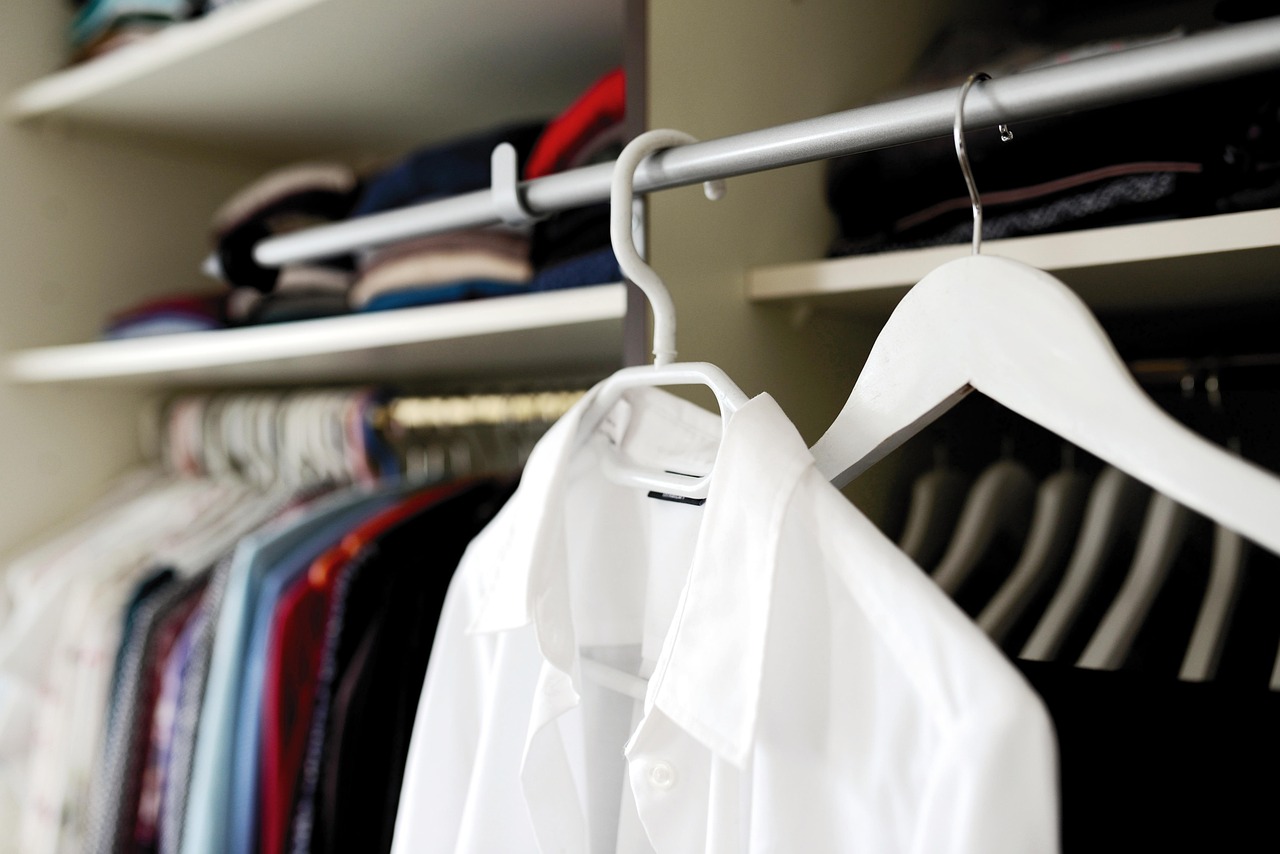
We tested over 50 hangers across different materials and price points to build this practical guide on the best clothes hangers for different wardrobe items. A good hanger does more than just hold clothes—it keeps them from stretching, creasing, or getting damaged. A cheap wire hanger can ruin the shoulders of a blazer in a few months, and flimsy plastic ones can leave permanent marks on silk.
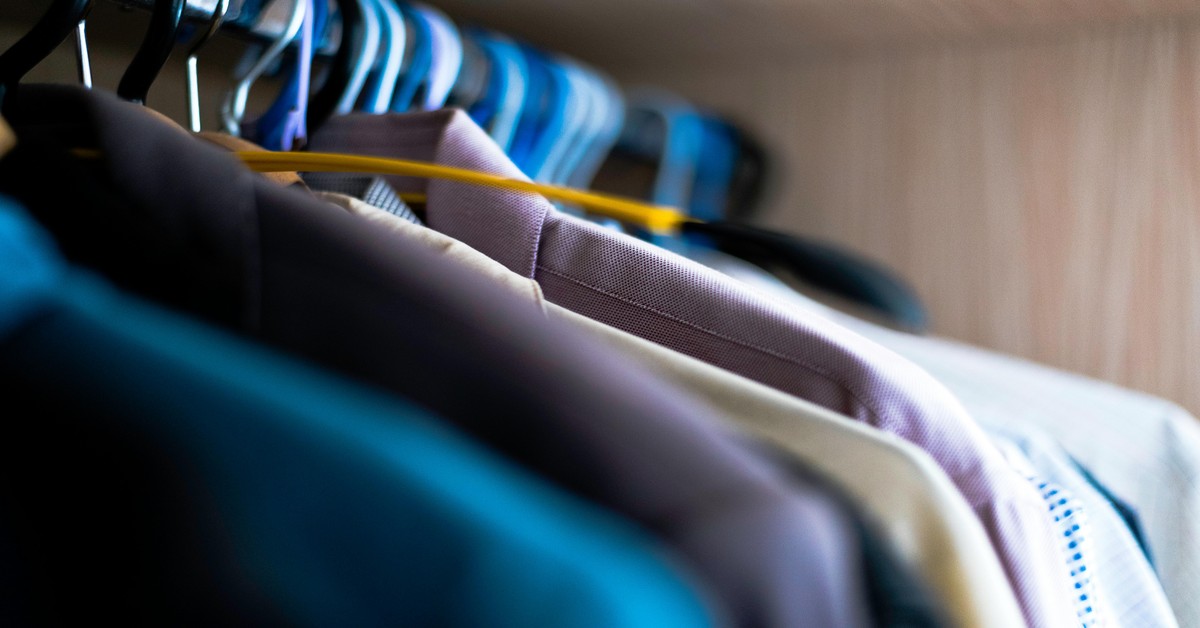
This guide covers hangers for suits, blouses, dresses, jeans, delicates, and kids’ clothes. We’ll go over what to look for in materials, shapes, and grip, then compare the best options in each category. Whether you have a big walk-in closet or a small wardrobe, you’ll find something useful here.
Why Your Hanger Choice Matters More Than You Think
It’s easy to overlook hangers. But the wrong one can quietly damage your clothes. Here’s what happens with those standard wire hangers from the dry cleaner:
- Stretched Collars and Shoulders: Thin wire forces the weight onto the shoulder seams. Over time, this creates bumps that change how the garment fits.
- Creases and Wrinkles: A hanger that’s too narrow for the shoulders makes fabric fold wrong, leaving sharp creases that are tough to steam out.
- Stretched Waistbands: Hanging jeans or pants without proper clips can stretch out the waistband elastic.
- Snags and Pulls: Rough plastic edges or exposed metal can catch on delicate fabrics like silk or cashmere.
It comes down to three things: material (wood, velvet, plastic, or metal), shape (contoured shoulders, notches for straps, clips for pants), and grip (how well it prevents sliding). Cheap wire hangers fail on all three. A well-designed hanger supports the garment’s shape, prevents slipping, and fits properly.
The Best Clothes Hangers at a Glance
Here’s a quick table of our top picks for different clothing types. We tested each for weight capacity, grip, and shape retention.
| Hanger Type | Best For | Material | Key Feature | Price Range |
|---|---|---|---|---|
| Wide Wooden Suit Hanger | Suits, blazers, coats | Cedar or beech wood | Contoured, padded shoulders; strong weight capacity | $8–$20 per hanger |
| Velvet Non-Slip Hanger | Shirts, blouses, dresses | Velvet coating over plastic | Ultra-grip; slim profile saves space | $1–$3 per hanger (sets) |
| Padded Satin Hanger | Delicate dresses, lingerie | Satin padding over metal | Notches for straps; soft padding prevents snags | $3–$6 per hanger |
| Clip Pant Hanger | Pants, jeans, skirts | Plastic or wood with metal clips | Adjustable grip; fold-over design prevents creases | $1–$5 per hanger |
| Kid-Sized Plastic Hanger | Children’s clothing (all types) | Durable plastic | Narrow shoulders; rounded edges for safety | $0.50–$1 per hanger |
| Slim Profile Velvet Hanger | Shirts, blouses, jackets (tight closets) | Velvet over plastic | Ultra-thin; maximizes closet space | $1–$2 per hanger (sets) |
These picks cover most of what you’d need. We’ll go into more detail on each category next.
How We Tested and Selected These Hangers
We bought and tested over 50 hangers from eight different brands. For each one, we checked:
- Weight Capacity: Hung a heavy wool coat (about 5 lbs) and a silk blouse (about 0.5 lbs) to see if the hanger held up.
- Shoulder Width: Measured the width and compared it to common jacket sizes for a good fit.
- Grip Test: Hung a satin blouse and a linen shirt to see if they slipped off.
- Long-Term Use: Left each hanger loaded for two weeks and checked for creases or stretching.
- Snag Test: Ran a fingernail over every edge to find rough spots.
We focused on real-world use. If a hanger failed a simple weight test, we didn’t recommend it. The ones below survived daily use.
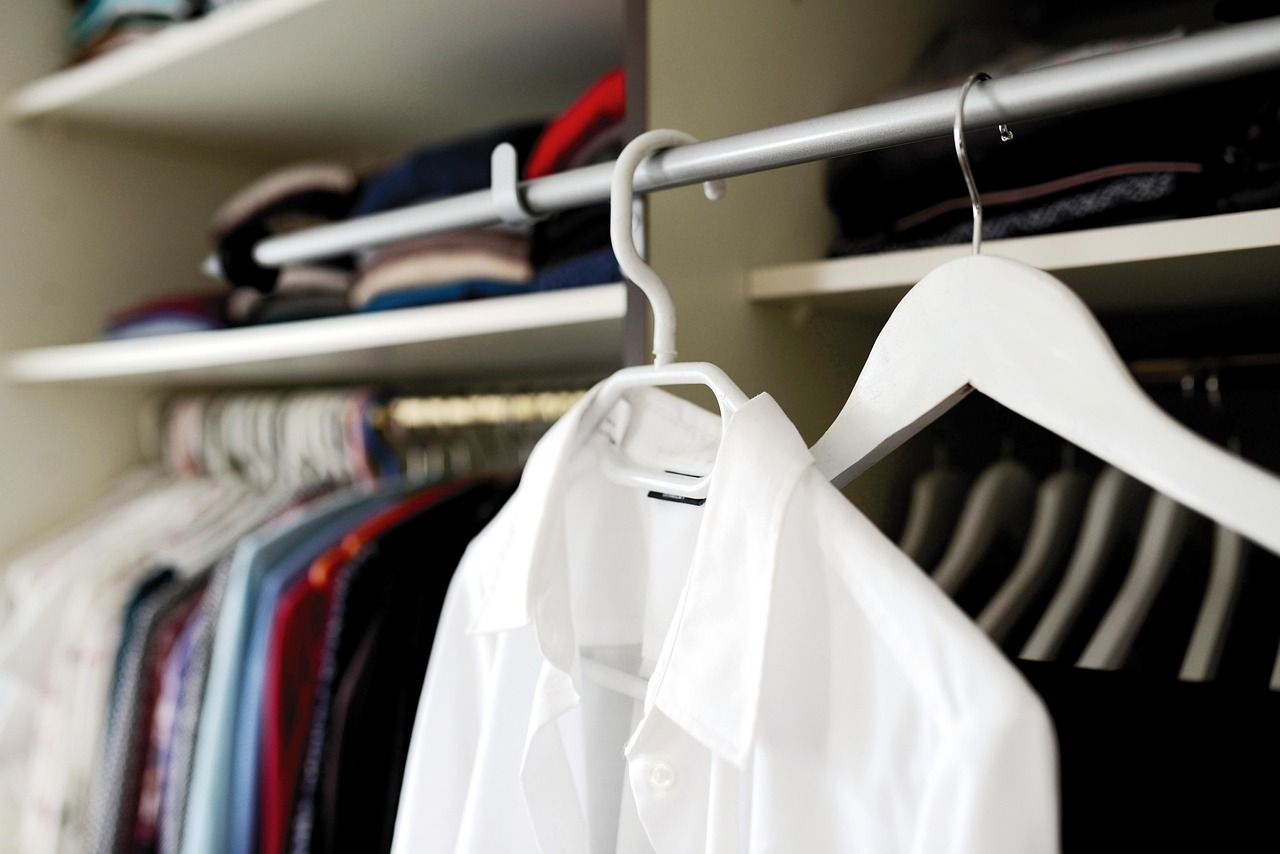
1. Best Hangers for Suits and Blazers
If you wear suits, the hanger is almost as important as the garment bag. A good suit hanger needs three things:
- Wide, Contoured Shoulders: The shoulder should match the garment’s width. Too narrow creates bumps; slightly wider distributes weight evenly.
- Padded or Flat Profile: Flat and wide prevents slipping. Avoid round or narrow hangers.
- Rounded Edges: Sharp corners can dig into fabric, especially on structured shoulders.
Best For: Wool blazers, linen sport coats, and structured suit jackets. Cedar wood is great because it repels moths. Beech wood is a good budget option. If you travel, a sturdier wooden suit hanger keeps blazers crisp on the go.
Avoid This If: You have a narrow closet rod. Wooden hangers take up more space. If space is tight, a high-quality velvet hanger with a wide shoulder is a decent compromise.
Our Top Pick: A solid cedar wood suit hanger with a 17-inch shoulder span, felt padding, and a trouser bar. The weight capacity is solid, and the cedar scent keeps moths away.
2. Best Hangers for Shirts and Blouses
For button-up shirts and silk blouses, you want grip and space efficiency. Flocked or velvet-covered hangers work well: they grip without damaging fabric and are slim enough to save space.
Key Feature: The velvety surface grips without snagging. For men’s shirts, a wider shoulder (around 16 inches) keeps the collar from collapsing. For women’s blouses, slightly narrower works better.
Tradeoff: Velvet hangers grip well but aren’t as durable as wood. The coating can wear down over a few years, and the plastic core may warp with heavy sweaters. Stick to shirts and blouses.
Common Mistake: Don’t use thin wire hangers for button-up shirts. They stretch the collar and leave indents on the shoulder. Use a hanger with a shoulder width close to the garment’s.
Our Top Pick: A set of slim velvet hangers in dark gray. They’re lightweight, take up half the space of wood, and grip well without snagging. If you have a blouse that slips, a good velvet non-slip hanger is a solid upgrade.
3. Best Hangers for Dresses and Gowns
Dresses vary a lot in weight and fabric sensitivity. A heavy wool dress needs a hanger that can handle the weight. A delicate silk gown needs soft padding and notches for straps.
Best For: Padded satin hangers with notches on top. The padding prevents creasing and snagging, while the notches keep straps in place. For heavier dresses, look for a padded hanger with a reinforced metal core.
Tradeoff: Padded hangers are bulkier than velvet ones. They take up more space, and the padding can flatten if you hang heavy items regularly. For everyday cotton dresses, a velvet hanger with notches is more practical.
Scenario Guide:
- Bridal gowns: Use a wide, heavily padded satin hanger with a metal core. It protects delicate lace and beading.
- Casual swing dresses: A velvet hanger with notches works fine.
- Slip dresses: A thin velvet hanger with good grip is enough.
Our Top Pick: A satin-padded hanger with notches and a reinforced metal bar. It handles heavier delicate pieces well, and the satin finish adds a nice touch.

4. Best Hangers for Pants and Jeans
Pants and jeans have different needs based on fabric and waistband construction. The two main styles are:
- Clip Pant Hangers: Two clips grip the hem of the pant leg. They prevent waistband stretching and work well for heavy denim.
- Fold-Over Pant Hangers: A lower bar that pants fold over, with a clip holding the waistband. Great for dress pants because they create a clean crease.
Which to Choose:
- Jeans: Clip hangers are best. Hanging by the waistband stretches the elastic. Clip the hem instead.
- Dress Pants: Fold-over hangers keep creases sharp. Make sure the clip is wide enough to avoid clamp marks.
- Skirts: Clip hangers with padded clips prevent marks on the waistband.
Common Mistake: Hanging jeans by the waistband. It stretches the waistband and makes belt loops sag. Use a clip hanger for denim.
Our Top Pick: A multi-pant hanger that holds up to five pairs vertically. Each pair clips individually, saving space. For heavy denim or tailored trousers, a set of adjustable clip pant hangers helps preserve waistband structure.
5. Best Hangers for Delicates and Lingerie
Delicate fabrics need extra care. Wire hangers can snag lace, stretch elastic, and leave rust marks. Soft, padded, or velvet-covered hangers are the way to go.
Best For: Velvet hangers with notches for bra straps or padded hangers with a satin finish for silk items. For tights or scarves, look for multi-tiered hangers with soft padding.
Mistake to Avoid: Don’t hang heavy sweaters or cardigans on thin, padded hangers. The weight stretches the shoulders. Fold heavy knits instead.
Our Top Pick: A set of velvet hangers with notches and a satin-padded hanger for silk items. They’re affordable, take up little space, and protect the fabric.
6. Best Hangers for Kids’ Clothing
Kids’ clothes are smaller, and adult hangers stretch the shoulder seams. Kid-sized hangers are narrower and made from safe materials.
Best For: Durable plastic hangers with rounded edges. They’re lightweight, easy for kids to use, and come in colors for sorting. Wooden options exist but are less common.
Why Not Adult Hangers: An adult hanger stretches the shoulder seams of a child’s shirt, distorting the fit over time.
Our Top Pick: A 30-pack of colorful plastic hangers with rounded shoulders and a non-slip texture. Durable enough to last through growth spurts and cheap enough to replace.
Material Comparison: Wood vs. Velvet vs. Plastic vs. Metal
Here’s how the four main materials stack up in real-world use.
| Material | Durability | Grip | Space Efficiency | Cost (per hanger) | Best For |
|---|---|---|---|---|---|
| Wood | Excellent (years/decades) | Moderate (slippery if not padded) | Low (bulky) | $8–$20 | Suits, coats, heavy items |
| Velvet Flocked | Good (velvet wears over time) | Excellent (non-slip) | High (slim profile) | $1–$3 | Shirts, blouses, delicate fabrics |
| Plastic | Fair (can warp, break) | Low (slippery) | High (very slim) | $0.50–$1 | Kids’ clothes, lightweight items |
| Metal | Good (rust possible) | Very low (very slippery) | High (thin profile) | $1–$3 | Pants (clip hangers), lightweight jackets |
Key Tradeoffs:
- Wood is durable and classic but heavy and bulky. Great for coats and suits.
- Velvet is a solid all-around choice: good grip, slim, and affordable. The coating eventually wears down, but it’s easy to replace.
- Plastic is cheap but weak and slippery. Fine for kids’ clothes but not for valuable items.
- Metal is slippery and can rust in humid climates. Best for clip-style pant hangers.
Common Hanger Mistakes and How to Avoid Them
Even with good hangers, small errors can cause damage. Here are common mistakes we’ve seen:
- Using wire hangers for heavy coats. The wire bends under weight and stretches shoulders. Use a wide wooden hanger instead.
- Hanging knits on slim hangers. Sweaters develop shoulder bumps. Fold heavy knits or use a wide, padded hanger.
- Not matching shoulder width. A narrow hanger stretches shoulder seams; a wide one creates folds. Measure the garment’s shoulder width.
- Overcrowding hangers. Packed hangers cause wrinkles and bend the arms. Leave at least an inch between hangers.
- Using the same hanger for everything. Different clothes need different hangers. Invest in a few types based on your wardrobe.
Which Hangers Should You Buy First? A Priority Guide
If you’re starting from scratch or upgrading gradually, here’s a simple guide:
- Multiple suits or blazers: Buy wooden suit hangers first. They protect expensive items and prevent moth damage.
- Lot of button-up shirts or silk blouses: Buy velvet hangers for grip and space savings.
- Heavy jeans or work pants: Buy clip-style pant hangers to prevent waistband stretching.
- Limited closet space: Prioritize slim velvet hangers. They reduce bulk by 50% compared to wood.
- A mix of everything (most people): Start with velvet hangers for shirts and blouses, then add wooden hangers for suits, and clip hangers for pants.
This way, you see improvements in how clothes hang and how the closet functions, without buying everything at once.

Final Verdict: The Only Three Hanger Types Most People Need
You don’t need a dozen different specialty hangers. Most people do well with three types:
- Wooden suit hangers for tailored jackets, blazers, and heavy coats.
- Velvet non-slip hangers for everything else: shirts, blouses, dresses, lightweight jackets, and delicates.
- Clip-style pant hangers for jeans, trousers, and skirts.
This setup covers your whole wardrobe and costs under $50 for a full upgrade. Start with velvet hangers if you buy one type at a time—they’re the most versatile. The best clothes hangers are the ones that fit your wardrobe, space, and budget. Use the criteria here to find your match.